
Top Commercial Flat Roofing Systems and Their Advantages
March 9, 2026
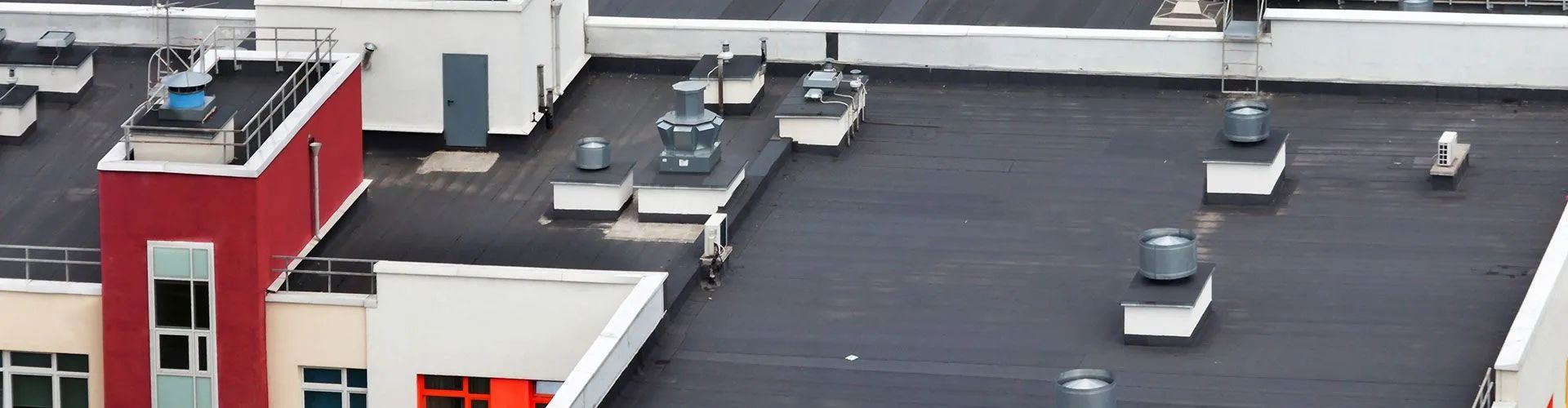
In the commercial construction industry, roofing systems play a critical role in protecting buildings from environmental hazards while contributing to operational efficiency. Among the various roofing options, flat roofs have emerged as a popular choice for commercial structures, offering practicality, cost-effectiveness, and versatility. Unlike pitched roofs, flat roofing systems allow for maximum use of rooftop space, which can accommodate HVAC units, solar panels, or even green roofing features. The selection of the right flat roofing system can significantly impact a building's durability, energy efficiency, and long-term maintenance costs, making it an essential consideration for property owners, contractors, and facility managers.
The demand for commercial flat roofing solutions continues to grow due to urban development and the need for reliable, low-maintenance structures. However, not all flat roofing systems are created equal; each has unique benefits, limitations, and suitability for specific commercial applications. From single-ply membranes to built-up roofing and modern liquid-applied solutions, understanding the key options and their advantages is crucial for making informed decisions. This blog explores the top commercial flat roofing systems, examining their features, benefits, and practical applications to help building owners and construction professionals choose the most effective solution for their projects.
1. Built-Up Roofing (BUR) Systems
Overview of Built-Up Roofing
Built-up roofing (BUR) is one of the oldest and most reliable commercial flat roofing systems, often referred to as “tar and gravel” roofs. This system is constructed with multiple layers of bitumen—such as asphalt or coal tar—alternated with reinforcing fabrics. A top layer of gravel or mineral surfacing protects the roof from UV rays, fire, and physical damage. BUR systems are known for their durability and proven track record in commercial construction, making them suitable for warehouses, factories, and large retail spaces.
Key Advantages of BUR Systems
- Durability and Longevity: BUR roofs typically last 20–30 years when properly maintained. The multiple layers provide robust protection against weathering, punctures, and thermal cycling.
- Thermal Resistance: The reflective surface of the gravel layer reduces heat absorption, which can lower cooling costs in large commercial buildings.
- Waterproofing Strength: The multi-layered bitumen construction provides excellent resistance to water infiltration, which is critical for commercial properties with heavy roof traffic.
Real-World Application
BUR is particularly effective for large-scale commercial properties with flat or low-slope designs. For example, manufacturing facilities with rooftop machinery benefit from the system’s high load-bearing capacity and resistance to damage. Regular maintenance, such as gravel replacement and inspection of seams, ensures optimal performance over decades.
2. Modified Bitumen Roofing Systems
What Is Modified Bitumen?
Modified bitumen roofing is an evolution of BUR systems, combining asphalt with synthetic polymers to enhance flexibility, strength, and waterproofing. These roofs are available in roll-form sheets and can be installed using torch-down, cold-adhesive, or self-adhesive methods. Modified bitumen systems are ideal for commercial buildings requiring a resilient, weather-resistant roof that can accommodate slight movements in the building structure without cracking.
Advantages of Modified Bitumen
- Flexibility: The polymer-modified asphalt layer allows the roof to expand and contract with temperature fluctuations, reducing the risk of splits or leaks.
- Weather Resistance: Modified bitumen performs exceptionally well in extreme weather conditions, including heavy rain, snow, and high winds.
- Ease of Installation: Compared to traditional BUR, modified bitumen can be installed more quickly and with fewer layers, reducing labor costs and project time.
Practical Considerations
This roofing system is commonly used on low-slope commercial buildings such as office complexes, retail stores, and educational facilities. A well-installed modified bitumen roof can last 15–25 years with periodic inspections, seam repairs, and surface maintenance. Its adaptability to different climates makes it a versatile choice for regions with temperature extremes.
3. Single-Ply Roofing Systems
Overview of Single-Ply Membranes
Single-ply roofing systems consist of large sheets of flexible material, typically made of thermoplastic (TPO or PVC) or thermoset (EPDM) compounds, mechanically fastened, adhered, or ballasted on the roof deck. Single-ply systems have gained popularity due to their lightweight construction, cost-effectiveness, and low maintenance requirements.
Advantages of Single-Ply Systems
- Energy Efficiency: White TPO and PVC membranes reflect sunlight, reducing cooling costs in commercial buildings and supporting sustainability goals.
- Quick Installation: Large sheets allow for faster deployment compared to BUR or modified bitumen systems, minimizing disruption to commercial operations.
- Low Maintenance: Seam welding and strong adhesive bonding reduce the likelihood of leaks, lowering long-term maintenance costs.
- Chemical Resistance: EPDM and TPO are resistant to industrial chemicals, oils, and pollutants, making them ideal for commercial and industrial roofs.
Industry Use Cases
Single-ply systems are commonly used on office buildings, shopping centers, and warehouses. For example, retail chains often prefer TPO roofs for their energy efficiency and modern appearance, while industrial plants may opt for EPDM due to chemical resistance. Regular inspection of seams and flashings ensures the roof remains watertight throughout its lifespan, which typically ranges from 15–25 years.
4. Spray Polyurethane Foam (SPF) Roofing Systems
What Is SPF Roofing?
Spray Polyurethane Foam (SPF) roofing involves spraying a liquid foam directly onto the roof deck, which then expands and hardens to form a seamless, insulating layer. This system is often coated with a protective elastomeric layer to guard against UV rays, weathering, and mechanical damage. SPF roofing offers unique benefits for energy efficiency, waterproofing, and slope correction.
Advantages of SPF Roofing
- Seamless Waterproofing: SPF forms a continuous membrane without seams, minimizing leak risks common with sheet-based systems.
- Insulation and Energy Savings: The foam layer provides superior thermal insulation, which can reduce heating and cooling costs by up to 30% in some commercial buildings.
- Lightweight and Adaptable: SPF adheres to most substrates and can conform to irregular roof shapes or correct low-slope deficiencies without adding significant weight.
Real-World Applications
SPF roofing is suitable for commercial properties with complex roof geometries, such as hospitals, schools, and municipal buildings. The system is also ideal for retrofits where additional insulation or slope correction is needed. Proper application by trained professionals ensures optimal adhesion, consistent thickness, and long-term durability, with roofs typically lasting 20–30 years when coated and maintained correctly.
5. Green and Cool Roofing Options
Green Roofing Systems
Green roofs incorporate vegetation, soil, and drainage layers over waterproof membranes. They provide both environmental and operational benefits, including stormwater management, insulation, and urban heat reduction. Green roofs are increasingly popular for commercial offices, hospitals, and educational institutions aiming to meet sustainability certifications.
Advantages of Green Roofs
- Environmental Benefits: Green roofs reduce urban heat islands, filter pollutants, and absorb rainwater, easing municipal drainage systems.
- Energy Efficiency: Vegetation layers improve insulation, reducing heating and cooling costs.
- Aesthetic and Tenant Appeal: A visually attractive green roof can enhance property value and tenant satisfaction.
Cool Roofing Systems
Cool roofing systems, often integrated with TPO, PVC, or reflective coatings, focus on reflecting solar radiation to minimize heat absorption. These roofs are ideal for commercial buildings in warm climates where energy savings are a priority.
Advantages of Cool Roofs
- Reduced Cooling Costs: High reflectivity reduces the need for air conditioning, improving energy efficiency.
- Extended Roof Life: Lower thermal stress decreases wear and tear, prolonging membrane durability.
- Sustainability Compliance: Many cool roofs contribute to LEED certification and corporate sustainability initiatives.
Practical Use Cases
Green roofs are frequently installed on urban commercial buildings, research centers, and public facilities, whereas cool roofs are prevalent in warehouses, distribution centers, and office complexes where reflecting heat can significantly cut energy bills. Both solutions highlight the modern trend of integrating performance and environmental responsibility into commercial roofing.
Selecting the right flat roofing system is a critical decision for commercial property owners, balancing durability, energy efficiency, cost, and long-term maintenance. Built-up roofing, modified bitumen, single-ply membranes, SPF systems, and green or cool roofs each offer unique advantages tailored to specific commercial needs. From the durability and waterproofing strength of BUR to the energy-saving potential of cool roofs and the seamless protection of SPF, understanding these options ensures informed decision-making and optimal outcomes for every project.
Commercial buildings require roofing solutions that can withstand weather extremes, provide efficient insulation, and support long-term operational goals. By evaluating the specific requirements of each property—including size, climate, and building use—owners can select a flat roofing system that maximizes both performance and return on investment.
Dependable Flat Roofing Expertise for Commercial Properties
At Maiden City Contracting, we understand the importance of selecting the right roofing system for commercial properties. Based in Cynthiana, KY, our team brings over 20 years of experience in delivering expert flat roofing solutions to businesses across the region. We specialize in assessing property needs, recommending suitable systems, and executing installations that combine durability, efficiency, and compliance with industry standards.
Our commitment to quality and precision ensures that every project—from single-ply membrane installations to advanced SPF and green roofing solutions—is completed with meticulous attention to detail. We leverage the latest techniques and materials to extend roof lifespans, reduce maintenance costs, and enhance energy efficiency. Whether you are retrofitting an older building, constructing a new commercial facility, or exploring sustainable roofing options, Maiden City Contracting provides reliable guidance and superior craftsmanship.
Trusted by property owners, contractors, and facility managers, our company emphasizes transparency, professionalism, and responsive service. Choosing Maiden City Contracting
means partnering with a roofing authority that combines local insight with decades of proven expertise, ensuring your
commercial flat roofing
investment delivers long-lasting performance and peace of mind.