
Granules Collecting in Your Gutters? What Shingle Grit Loss Is Telling You About Roof Age
October 6, 2026
The Streaks Are a Signal, Not a Verdict
Quick Answer: The grit in your gutters is the mineral granule layer that shields the asphalt in your shingles from sunlight. A little loose grit is normal on a brand new roof and some shedding is expected as any roof ages, but heavy, steady buildup in the gutters, bare dark patches on the shingles, or grit piling up at the end of the downspout signals that the protective surface is wearing thin. In Central Kentucky, where summer heat, humidity, freeze and thaw cycles, and spring wind and hail all wear on shingles, granule loss is one of the clearest early clues to how much life your roof has left.
You are up on a ladder in late October, clearing the first wave of maple and oak leaves out of the gutter, and your glove comes up black and gritty. It looks like coarse pepper or spilled sand, packed into the low spot above the downspout. You rinse a handful off, rub it between your fingers, and wonder where it all came from. Then you glance at the downspout outlet and see a little fan of the same grit washed out across the splash block, as if someone had poured out a bag of aquarium gravel.
That grit came from your roof. Every asphalt shingle is coated on top with tiny ceramic coated stones, and what you are holding is some of them. We have spent more than 20 years on roofs across Cynthiana, Georgetown, Lexington, Frankfort, Richmond, and the rest of Central and Northern Kentucky, and the first thing we check when a homeowner mentions grit is how much there is, how fast it showed up, and what the shingles themselves look like. The answer tells us whether we are looking at a roof doing its job or a roof getting close to the end of its useful life.
What Shingle Granules Are and Why They Matter
An asphalt shingle is built in layers. At the center is a base mat, usually fiberglass. That mat is saturated and coated with asphalt, which is what makes the shingle waterproof and flexible. Pressed into the top layer of that asphalt are the granules, small pieces of crushed rock coated with a colored ceramic finish.
They do more than give the roof its color. The granules are the sunscreen for the shingle. Asphalt breaks down under ultraviolet light, drying out, cracking, and losing the oils that keep it pliable. The granule layer blocks that sunlight and spreads the heat from the sun across the surface. The granules also help shed rain and give the surface some protection from the small impacts of hail, falling twigs, and foot traffic.
Think of the granule layer as the paint on a wooden fence. The fence still holds you out of the neighbor's yard when the paint wears off, but the wood underneath is now exposed to every rain and every sunny afternoon, and it starts failing much faster. A shingle that has lost a good share of its granules is in the same position. It may look fine from the street for a while, but the part that actually keeps water out is now doing its work without a shield.
Normal Shedding Versus a Warning Sign
Here is the part that keeps homeowners from panicking, and also the part that keeps them from ignoring a real problem. Some granule loss is completely expected.
New Roofs Shed A Little
New shingles can release loose granules left from manufacturing and installation. Early rainstorms often wash this material into gutters, and light accumulation during the first months is generally expected.
Aging Roofs Shed Gradually
Sun, heat, wind, and rain gradually loosen granules over time. A middle-aged roof may leave a thin, steady amount after storms as part of normal wear.
Red Flags Look Different
Concern increases when granule loss becomes excessive or persistent. Patterns that exceed typical new-roof settling or gradual aging can indicate the roof surface is deteriorating faster.
Heavy Buildup That Returns
If gutters are cleaned and quickly refill with heavy granule deposits after several storms, the roof may be shedding material faster than expected.
Grit Piled At The Downspout Exit
Large amounts of granules can collect where water exits the drainage system. Noticeable piles near downspouts, flower beds, or driveways indicate substantial material is leaving the roof.
Bare Patches On The Shingles
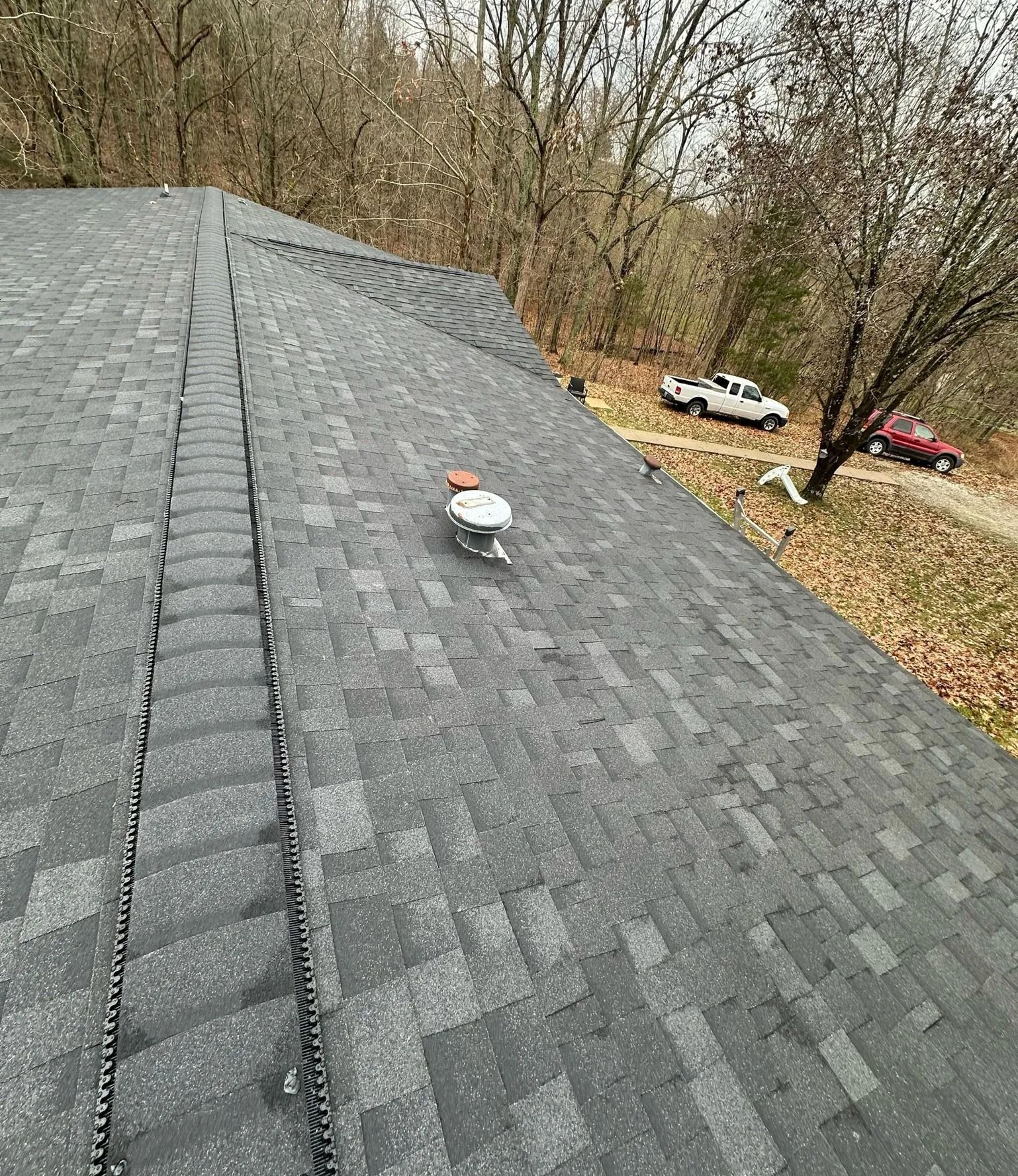
Missing granules expose the darker asphalt beneath, creating smooth or shiny areas. These patches may resemble bruises or damp spots, even when the roof surface remains completely dry.
Uneven Color
Sun-exposed slopes often fade and shed granules faster than shaded areas. Noticeably lighter, patchier, or rougher south- or west-facing sections can indicate increased surface wear.
What Granule Loss Says About Roof Age
Granules are one of the best clocks a shingle roof has. As the years pass, the protective layer slowly wears down, and the pace of that wear tells a story.
A young roof sheds lightly and keeps a uniform, even surface. A roof in the middle of its service life sheds a modest amount and the color holds steady, though you may see a little fading on the sunniest slope. A roof that is well into its later years sheds more and more, the surface turns thin and patchy, and the shingles start to show other signs of age like curling, cracking, or brittleness at the edges.
None of this follows a fixed calendar. A roof in a shaded yard with good attic ventilation will often outlast the same roof on an open south facing slope with a hot, stuffy attic. Material quality and the quality of installation matter too. That is why we never tell someone their roof is finished just because they found grit. We look at the whole picture, and the grit is one piece of it.
What we can say is that heavy granule loss and old age usually travel together. When you see grit piling up along with curling edges, lifted tabs, exposed nails, or cracks, the roof is telling you it is nearing the point where planning ahead makes more sense than waiting.
Why Kentucky Weather Makes It Worse
Central Kentucky is not gentle on roofs, and each season brings its own kind of wear that eventually ends up in your gutters.
Summer Heat And Humidity
July and August heat can make dark roofs extremely hot, softening asphalt and loosening granules. Humidity adds moisture, increasing stress when attic ventilation is inadequate during summer.
Freeze And Thaw Cycles
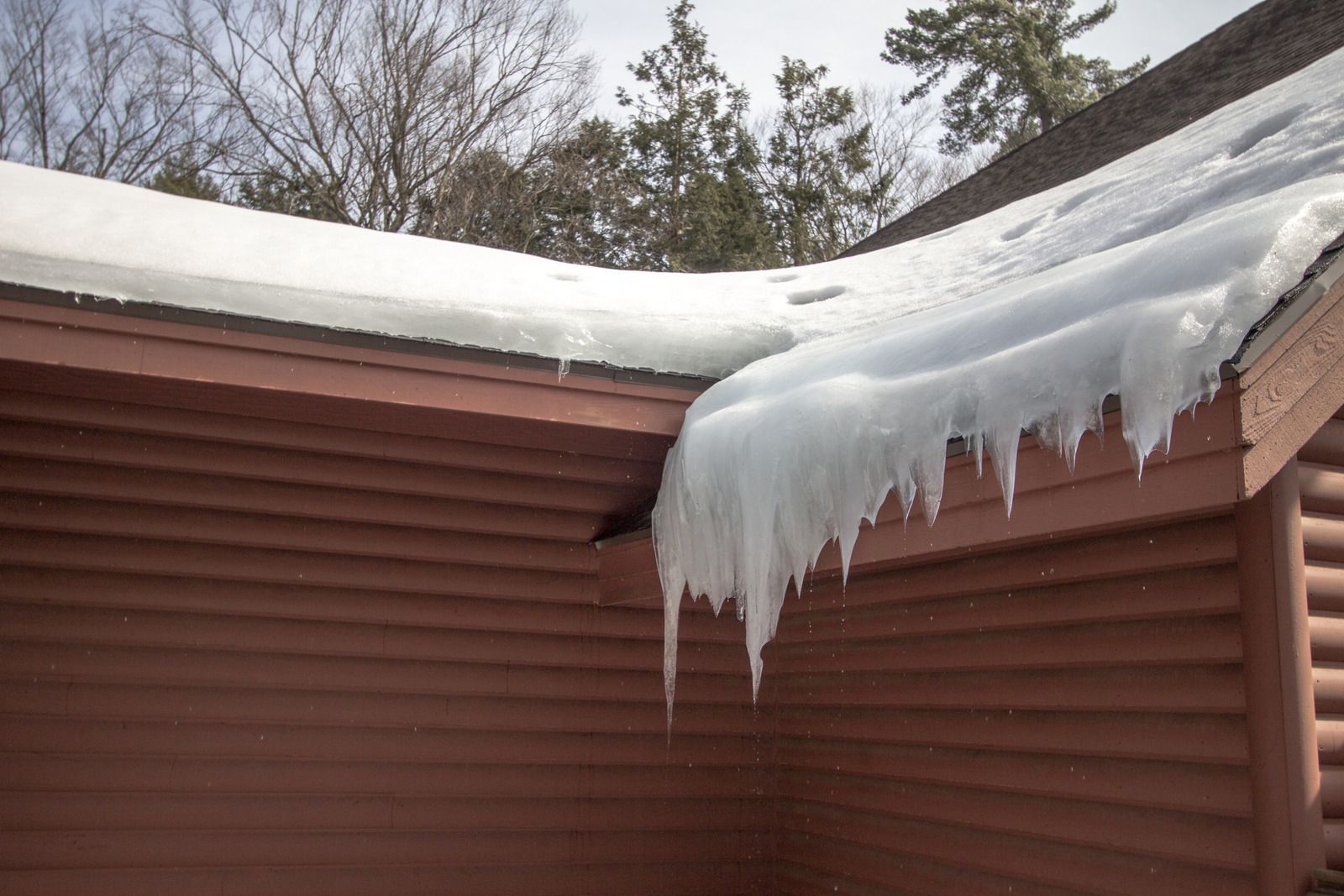
Winter temperature swings can freeze water inside tiny shingle cracks and pores. Expansion pushes granules loose, while repeated thawing and refreezing gradually increases surface deterioration.
Spring Wind And Hail
Bluegrass spring storms can bring hail and strong winds. Hail impacts remove granules, while wind flexes shingles and weakens seals. Sudden grit increases after storms can indicate damage.
How to Check Your Roof Safely
You do not need to climb onto the roof to learn a lot. In fact, we would rather you did not. Walking on a shingle roof can itself knock granules loose, and a steep or wet roof is a real fall risk. Here is a safe way to gather information from the ground and the ladder.
Look At The Gutters
Scoop out gutter debris and inspect the amount of granules present. A thin coating differs from a thick sandy layer, especially if buildup quickly returns after cleaning.
Check The Downspout Exits
Inspect splash blocks, soil, and flower beds beneath downspouts. A visible fan of granules suggests water has been carrying roofing material away for some time.
Study The Roof From The Yard
On a bright day, inspect each roof slope from the ground. Look for color differences, dark or shiny patches, and curled, cupped, or cracked shingles.
Check The Attic
Inspect the roof deck underside on a sunny day. Pinpoints of daylight, stained wood, or damp insulation indicate separate issues that should receive prompt attention.
Tip: Take a few photos of your gutters and downspout exits each fall, from the same angles, and keep them in a folder on your phone. When you compare year to year, you can see whether the buildup is steady or accelerating, which is far more useful than trying to remember what it looked like twelve months ago.
Quick Answer: Roof ventilation is the steady flow of outside air in through the lower part of your roof and out through the top, and it matters because an unvented attic traps summer heat and household moisture right under your shingles. In Central Kentucky, where July afternoons are hot and humid and January brings hard freezes, a balanced system of intake vents at the eaves and exhaust vents near the ridge keeps the roof deck closer to outdoor temperature all year. That helps shingles last, keeps insulation dry, keeps the upstairs from baking, and cuts down on condensation, mold, and frost inside the attic.
You climb the pull down stairs on a July afternoon to grab a box of decorations, and the air up there hits you like an open oven door. The plywood feels warm to the touch, the insulation looks a little flat, and you are dripping sweat inside of a minute. Most people shrug it off and figure attics are just hot. They are, to a point. But an attic that is dramatically hotter than the day outside, or one that feels damp and stale in the cooler months, is telling you something about how air moves through your roof.
We have spent more than 20 years working on roofs across Cynthiana, Georgetown, Lexington, Frankfort, and the rest of Central and Northern Kentucky, and ventilation is one of the most overlooked parts of a roof system. It does not show up in the curb appeal photos. Nobody brags about a ridge vent at a cookout. Yet it quietly decides how long your shingles hold up and how comfortable and dry the top of your house stays.
The Streaks Are a Signal, Not a Verdict
What Heavy Granule Loss Does to the Rest of Your Roof
Once the surface thins, the damage tends to build on itself. Without the granule shield, ultraviolet light and heat go straight to the asphalt. The asphalt dries out faster, becomes brittle, and starts to crack. Cracks let moisture reach the mat. Moisture and freezing temperatures then widen the cracks, and the shingle begins to lose its ability to shed water.
Shingles with exposed asphalt also tend to curl and lift at the edges sooner. Once a corner lifts, wind can get under it and tear it loose. A single missing shingle exposes the underlayment and the nails below it, and that is how many leaks start. They begin small, a stained spot on a bedroom ceiling or a damp patch in the attic, and grow with every storm.
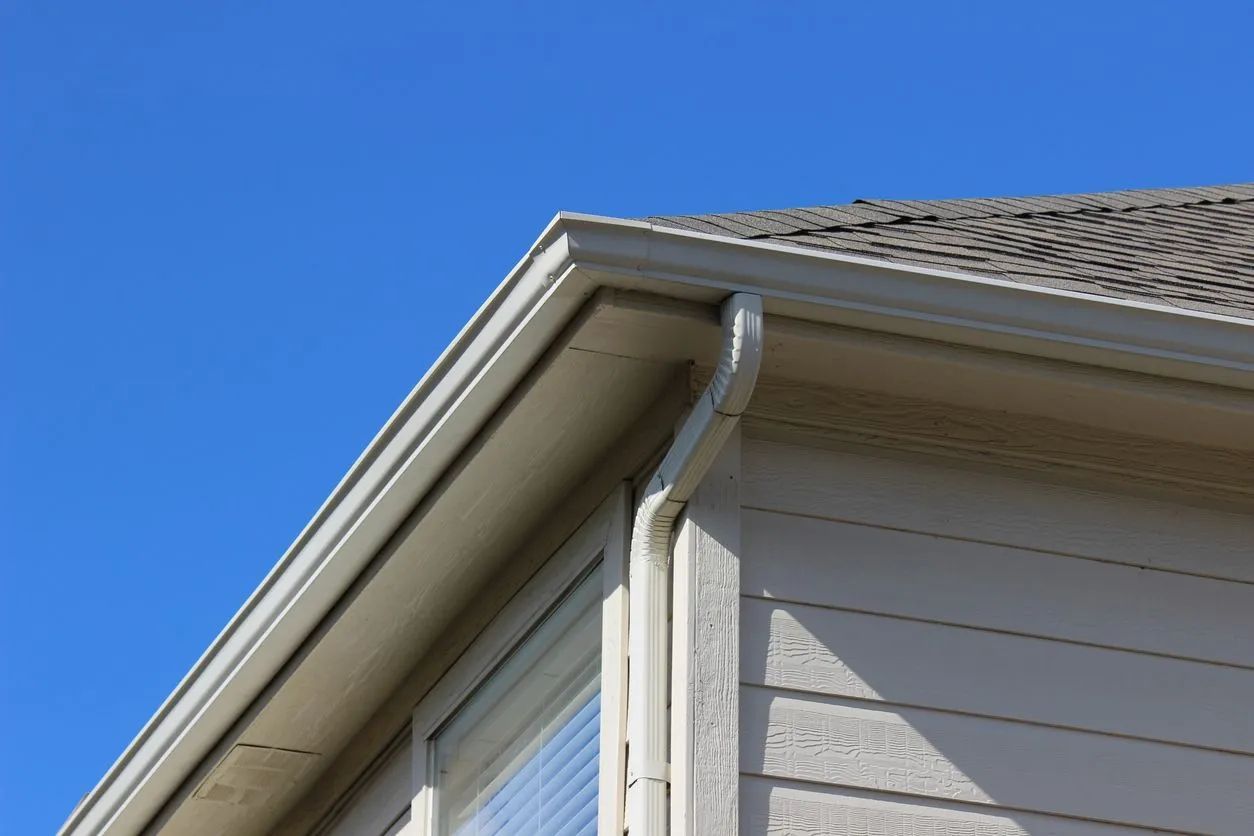
There is also the gutter side of the story. A heavy load of grit sits in the bottom of the trough like wet sand. It adds weight, holds moisture, and can clog the downspout opening. When that happens, water backs up, spills over the front edge, and runs down the fascia and the siding or soaks the ground beside the foundation. So a roof problem becomes a drainage problem, and a drainage problem becomes a landscaping or foundation problem if it is left alone.
Is It Time for Repair, Monitoring, or Replacement?
This is the question every homeowner really wants answered, and the answer is that it depends on what else the roof is showing. Here is how we think it through.
Keep An Eye On It
If the roof is relatively young or mid-life, with light grit, even color, no bare patches, and no curling, normal wear is likely. Clean gutters, photograph annually, and monitor changes.
Repair A Localized Problem
If shedding is concentrated around hail damage, tree scraping, or one affected slope while surrounding shingles remain sound, targeted repairs may help. Replace damaged shingles and seal exposed areas where appropriate.
Plan For Replacement
Heavy widespread grit loss, bare shiny areas, curling, cracking, brittleness, and repeated repairs can indicate broader roof deterioration. When multiple slopes are affected, replacement may become more practical than continual patching.
Mistakes to Avoid When You Find Grit
Homeowners usually mean well, but a few common reactions can make things worse.
Pressure Washing The Roof
Pressure washing can strip shingle granules rapidly, shortening roof life. If algae or moss appears, use gentler cleaning methods that remove growth without aggressively blasting the roofing surface.
Scrubbing Or Raking The Shingles
Stiff brushes, rakes, and scrapers can pull granules away while removing debris. Avoid unnecessary roof traffic as well, since repeated walking can contribute to surface damage and premature wear.
Ignoring The Gutters
Accumulated granules and leaves can block gutter flow. Keep gutters clear so rainwater drains properly away from the house instead of backing up beneath the roof edge.
Waiting For A Leak To Confirm The Problem
Visible ceiling leaks often mean roof damage has existed for some time. By then, decking and insulation may also be wet, creating additional problems beyond the shingles themselves.
Warning: Stay off a steep or wet roof, and do not lean a ladder against the gutter itself. Gutters are not built to carry the weight of a person, and a ladder that slips is how many a weekend cleanup ends in an injury. Set the ladder on firm, level ground, ask someone to hold it, and if the roof is high, steep, or slick, leave the inspection to a professional.
Frequently Asked Questions
Is it normal to find granules in my gutters?
Yes, in small amounts. New roofs shed loose granules during rains, and every asphalt roof loses grit with age. It becomes a concern when buildup is heavy, returns quickly, or appears with bare patches.
How many granules in the gutter is too many?
There is no exact number. What matters is the pattern. A thin dusting mixed with leaves is fine, while a thick sandy layer, repeated piles at the downspout, or bare roof spots deserve an inspection.
Does granule loss mean I need a new roof?
Not by itself. Granule loss is one clue among several. Light shedding on a young roof is fine, but widespread bare shingles with curling, cracking, or leaks point toward replacement. A full roof inspection confirms.
Can hail cause granule loss?
Yes. Hail can knock granules off and leave bruised or bare spots, sometimes invisible from the ground. After a spring storm, if grit suddenly increases, have the roof inspected before small damage becomes a leak.
Can bare spots on shingles be fixed?
A few damaged shingles can be replaced if the rest is sound. Coating bare spots is not a lasting fix. Widespread bare areas mean the roof is wearing out, and repairs only buy limited time.
How often should I have my roof inspected?
Check once each fall, after leaves drop and before freezing weather, and again after any major wind or hail storm. If your roof is older, an experienced roofer can advise how often to look.
What Gutter Grit Is Really Telling You
The grit in your gutter is not a reason to panic, and it is not something to brush off either. It is information about the protective layer that keeps sun and weather off the asphalt. Light, occasional shedding on a young or middle aged roof is part of a shingle's normal life. Heavy, repeated shedding, bare patches, and curling edges tell a different story, and that story is far easier to handle when you hear it early, before a leak makes the decision for you.
Maiden City Contracting
has spent 20
years on roofs in Cynthiana, KY, and across the surrounding Bluegrass communities, and the lesson holds on almost every house. A quick look at the
gutters, the downspouts, and each slope usually explains more than people expect. Photos kept each fall make changes easy to spot, and a careful inspection after a hard storm keeps small wear from growing. Pay attention to the grit, and the roof will tell you plainly when it needs help.