
Attic Feels Like an Oven Up There? Why Roof Ventilation Matters More Than Most Homeowners Think
September 30, 2026
The Streaks Are a Signal, Not a Verdict
Quick Answer: Roof ventilation is the steady flow of outside air in through the lower part of your roof and out through the top, and it matters because an unvented attic traps summer heat and household moisture right under your shingles. In Central Kentucky, where July afternoons are hot and humid and January brings hard freezes, a balanced system of intake vents at the eaves and exhaust vents near the ridge keeps the roof deck closer to outdoor temperature all year. That helps shingles last, keeps insulation dry, keeps the upstairs from baking, and cuts down on condensation, mold, and frost inside the attic.
You climb the pull down stairs on a July afternoon to grab a box of decorations, and the air up there hits you like an open oven door. The plywood feels warm to the touch, the insulation looks a little flat, and you are dripping sweat inside of a minute. Most people shrug it off and figure attics are just hot. They are, to a point. But an attic that is dramatically hotter than the day outside, or one that feels damp and stale in the cooler months, is telling you something about how air moves through your roof.
We have spent more than 20 years working on roofs across Cynthiana, Georgetown, Lexington, Frankfort, and the rest of Central and Northern Kentucky, and ventilation is one of the most overlooked parts of a roof system. It does not show up in the curb appeal photos. Nobody brags about a ridge vent at a cookout. Yet it quietly decides how long your shingles hold up and how comfortable and dry the top of your house stays.
What Roof Ventilation Actually Is
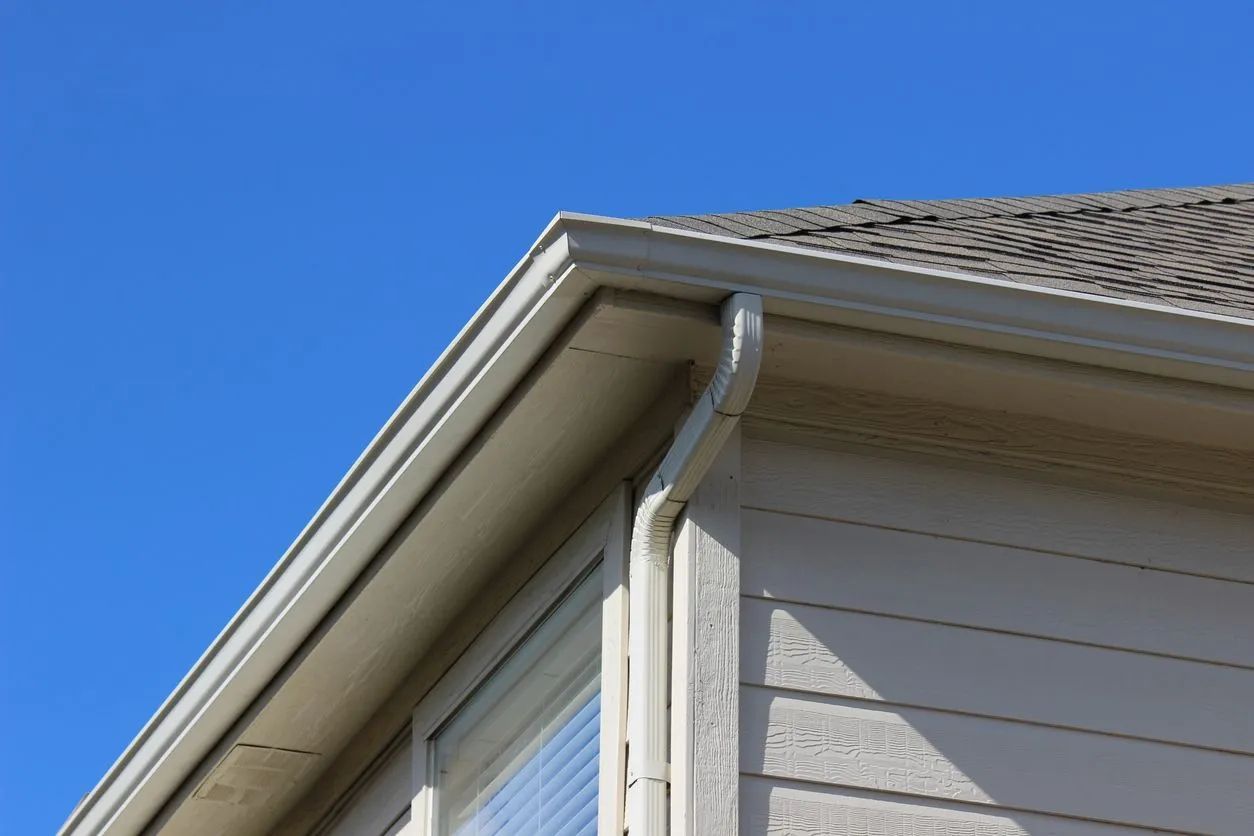
Roof ventilation is simply a path for air to travel through the attic. Cooler outside air enters low on the roof, usually through vents in the soffit, which is the underside of the roof overhang. That air moves up along the underside of the roof deck, picks up heat and moisture, and leaves through an opening at or near the peak, most often a ridge vent, though box vents, gable vents, and powered fans are used too.
The engine behind it is basic physics. Warm air rises, so as the attic heats up, that air wants to escape at the top, and it pulls fresh air in at the bottom to take its place. When the openings at both ends are sized and placed well, you get a quiet, continuous breeze that never stops working. No motor, no switch, no attention required.
The word that matters most in this whole topic is balance. Intake and exhaust have to work as a pair. A big ridge vent with blocked soffits is like a chimney with the damper closed at the bottom. Air cannot leave if it has nowhere to come from, so the system barely moves anything.
What Happens When an Attic Cannot Breathe
An attic with poor airflow acts like a heat trap. On a sunny summer afternoon, the roof surface absorbs a huge amount of solar energy, and without moving air to carry it off, that heat settles into the space beneath the deck. Attic temperatures commonly run several dozen degrees hotter than the air outside. On a humid 90 degree day in the Bluegrass, that means a space well over 120 degrees sitting directly on top of your ceiling.
That heat does damage in a few different ways.
It cooks your shingles from underneath
Asphalt shingles are built to handle sun on the top surface, but they also take heat from below when the deck is superheated. Over time that extra heat dries out the oils that keep shingles flexible, and they turn brittle, curl at the edges, and lose granules faster. If you read our earlier piece on shingles curling after a humid Kentucky summer, this is the same story from the attic side. Curling is what you see on the roof. A hot, stagnant attic is often part of the reason.
It pushes heat down into the living space
Insulation slows heat transfer, but it does not stop it. A scorching attic radiates heat through the ceiling into your upstairs rooms, and your air conditioner has to fight harder to keep up. If the second floor is always five degrees warmer than the first no matter where you set the thermostat, the attic is a suspect.
It stresses everything stored or installed up there
Ductwork, wiring, and anything you keep in the attic all live in that extreme. Flexible duct in particular can get brittle and cracked after years of heat cycling.
The Moisture Problem Nobody Talks About
Heat gets the attention, but moisture is the quieter troublemaker, and it is worse in our climate than many people realize.
Everyday life produces water vapor. Showers, cooking, laundry, and even breathing put moisture into the air inside your home, and some of it drifts upward into the attic through small gaps around light fixtures, exhaust fan housings, and the attic hatch. In a properly ventilated attic, that moisture is carried out with the moving air before it can settle anywhere.
In an attic that cannot breathe, the vapor lingers. During Kentucky's humid summers the air is already heavy with moisture before it ever gets inside the roof space. In winter, warm damp air from the house meets a cold roof deck and condenses on the underside of the sheathing, sometimes as frost that melts and drips when temperatures swing above freezing. Central Kentucky is famous for those swings, a hard freeze on Monday and a thaw by Thursday, so the wetting and drying cycle repeats over and over.
Repeated dampness leads to problems you can see and problems you cannot. Look for dark staining or a fuzzy growth on the underside of the roof deck, damp and compressed insulation that no longer does its job, rusty nail tips poking through the sheathing, a musty smell in the attic or the closets below it, and wood that has gone soft over the years.
Those signs are worth taking seriously because sheathing that stays wet does not last, and a wet attic can hold on to that moisture long after the weather clears.
How Ventilation Helps Your Roof Last Longer
A cooler, drier roof deck is a happier roof deck. When air keeps moving under the sheathing, the temperature swing between day and night gets smaller, and shingles expand and contract less. That steadier condition is easier on the sealant strips that hold shingles down and easier on the nails and flashing that keep water out.
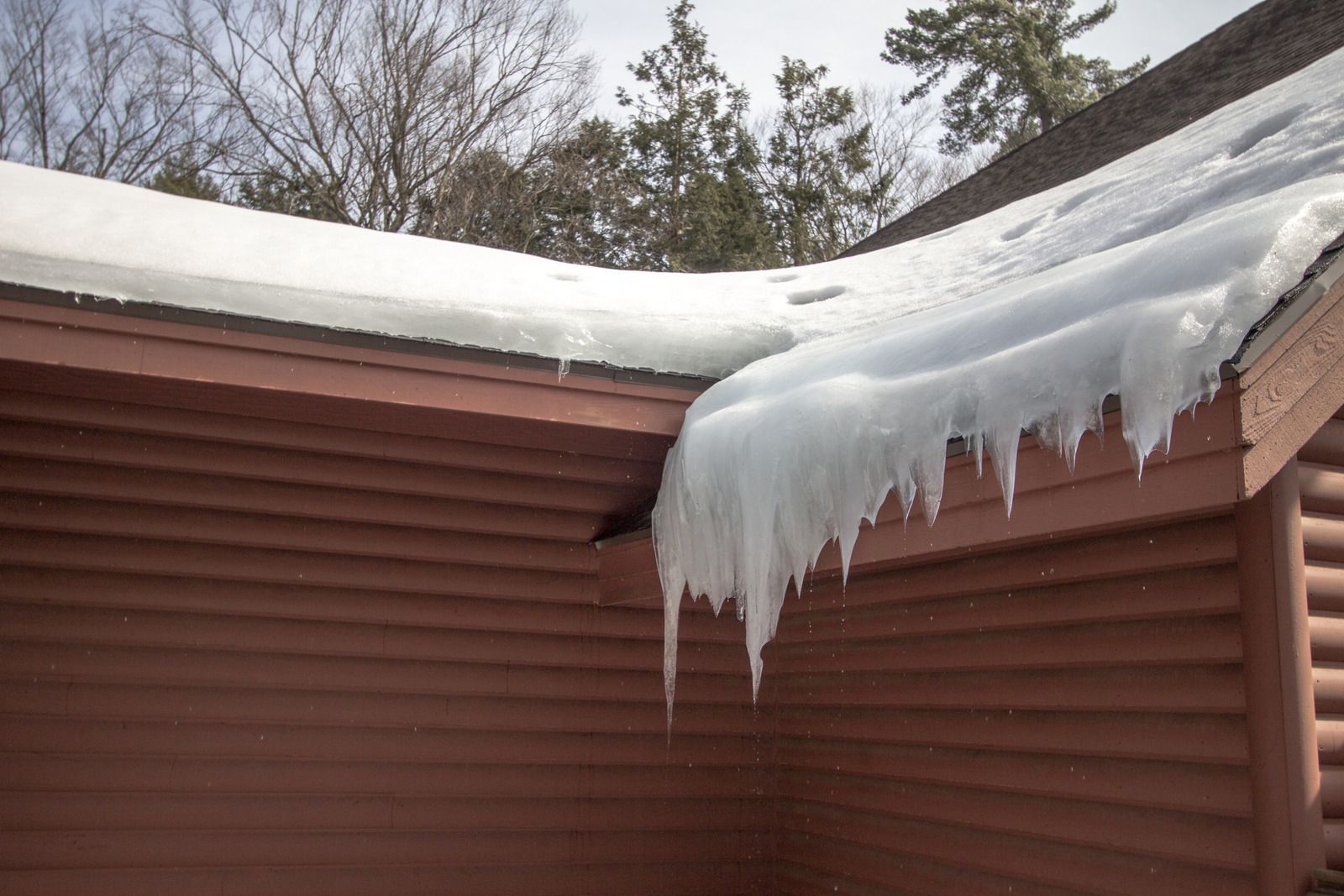
There is also a winter payoff. When the roof deck stays close to the outdoor temperature, snow on the roof melts more slowly and more evenly, which helps limit the freeze and refreeze cycle at the eaves. We covered that topic in detail in our article on ice dams building along your eaves, and ventilation is one of the three legs of that solution along with insulation and air sealing.
Put simply, ventilation is a form of maintenance that works every hour of every day for the entire life of the roof, and it does it without a single moving part in most systems.
Signs Your Roof May Not Be Ventilating Well
You do not need to be a roofer to spot the warning signs. A few minutes in the attic and a look at the roof from the yard can tell you a lot.
The attic is hot long after sundown. It is normal for the attic to stay warm into the evening. If it is still oppressive at ten at night, heat has nowhere to go.
Shingles are aging faster than they should. Curling, cracking, and heavy granule loss on a roof that is not very old can point to heat trouble underneath.
Your upstairs is always the hottest part of the house. Some of this comes down to rising heat, but a superheated attic makes it worse.
There is frost, dampness, or dark staining in the attic. Any of these in the cooler months means moist air is not escaping.
Soffit vents are painted over, packed with insulation, or covered by debris. Intake vents that look like solid boards are surprisingly common, especially on older homes and after a few rounds of exterior painting.
Ice builds up along the eaves in winter.
Uneven roof deck temperatures are a common contributor.
Tip: On a mild day, take a flashlight into the attic and look toward the eaves where the insulation meets the roof deck. You should be able to see a clear gap for air to flow from the soffit up into the attic. If insulation is stuffed all the way into the eave, or you cannot see daylight or feel any air movement near the soffit vents, mention it when you talk with a roofer. Stay on the joists or a solid walkway, and never step on the ceiling drywall between them.
Quick Answer: Roof ventilation is the steady flow of outside air in through the lower part of your roof and out through the top, and it matters because an unvented attic traps summer heat and household moisture right under your shingles. In Central Kentucky, where July afternoons are hot and humid and January brings hard freezes, a balanced system of intake vents at the eaves and exhaust vents near the ridge keeps the roof deck closer to outdoor temperature all year. That helps shingles last, keeps insulation dry, keeps the upstairs from baking, and cuts down on condensation, mold, and frost inside the attic.
You climb the pull down stairs on a July afternoon to grab a box of decorations, and the air up there hits you like an open oven door. The plywood feels warm to the touch, the insulation looks a little flat, and you are dripping sweat inside of a minute. Most people shrug it off and figure attics are just hot. They are, to a point. But an attic that is dramatically hotter than the day outside, or one that feels damp and stale in the cooler months, is telling you something about how air moves through your roof.
We have spent more than 20 years working on roofs across Cynthiana, Georgetown, Lexington, Frankfort, and the rest of Central and Northern Kentucky, and ventilation is one of the most overlooked parts of a roof system. It does not show up in the curb appeal photos. Nobody brags about a ridge vent at a cookout. Yet it quietly decides how long your shingles hold up and how comfortable and dry the top of your house stays.
The Streaks Are a Signal, Not a Verdict
Common Ventilation Mistakes We See on Kentucky Roofs
After walking hundreds of local roofs, a handful of mistakes come up again and again.
Mixing Different Exhaust Vents
Using ridge, box, and gable vents together can create competing airflow paths. Air may enter through exhaust vents instead of soffits, leaving lower attic areas without adequate ventilation.
Too Little Intake
An attic needs enough intake air to replace air leaving through exhaust vents. Without sufficient low intake, exhaust ventilation becomes less effective and airflow through the attic suffers.
Blocked Soffits
Blown insulation can cover soffit openings during energy upgrades, blocking intake airflow. Properly installed baffles keep insulation away from the roof deck and preserve the ventilation path.
Bath Fans And Dryer Vents That End In The Attic
Bathroom and dryer exhaust must discharge completely outdoors. Sending humid air into the attic introduces moisture where it can contribute to condensation, mold, and other problems.
Adding A Powered Fan Without Addressing Intake
A powered attic fan without sufficient intake can pull conditioned household air through ceiling gaps. That increases energy loss and undermines cooling efficiency instead of improving ventilation.
Covering The Ridge Vent During A Reroof
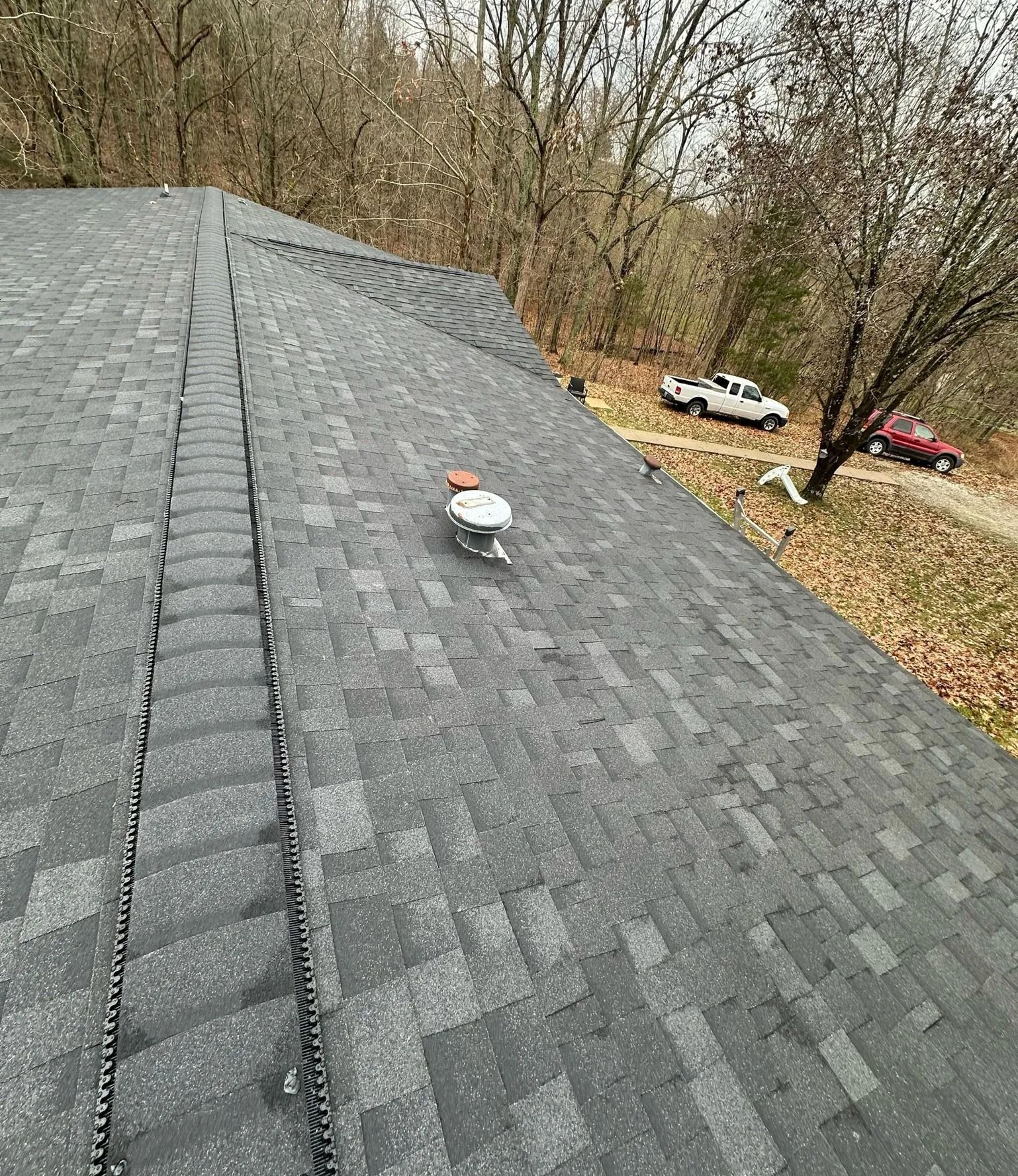
During reroofing, a narrow ridge slot or roofing materials covering the opening can restrict airflow. Ridge vents only work properly when the continuous opening beneath them remains unobstructed.
Warning: Do not cover soffit vents or seal off attic vents to stop drafts, and do not try to fix a hot attic by closing everything up tight. Blocking airflow in the summer traps heat, and sealing vents in the winter traps moisture. If you are worried about drafts, the place to seal is between the living space and the attic, around fixtures, hatches, and pipe penetrations, not the vents that let the roof breathe.
Ventilation and Insulation Work as a Team
Homeowners sometimes think of insulation and ventilation as competing ideas, one keeping air in and one letting air out. They are really two halves of the same job.
Insulation on the attic floor keeps conditioned air where it belongs, in the living space. Air sealing closes the small gaps that let warm, humid air leak upward. Ventilation then takes care of whatever heat and moisture still make it into the attic, along with the heat that the sun puts into the roof from above. If one of the three is weak, the other two have to work harder. A well insulated attic with poor airflow can still overheat. A well ventilated attic with leaky ceilings can still wet the underside of the deck in winter.
This is why we tell homeowners that a ventilation check makes sense any time you are planning a roof replacement, adding insulation, or chasing a moisture problem. Looking at the whole attic as one system saves a lot of guesswork.
Ventilation During a Roof Replacement
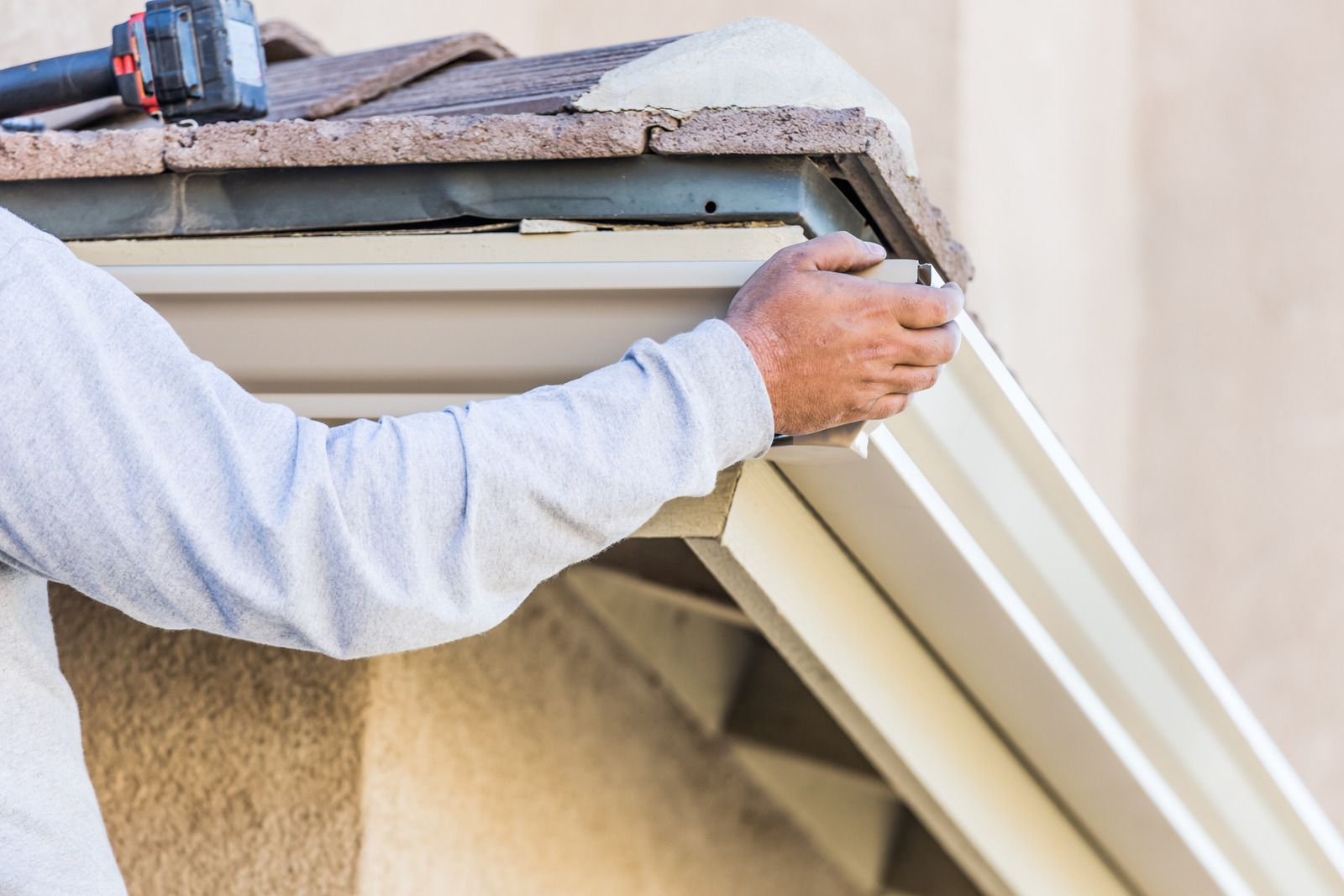
If your roof is nearing the end of its life, a replacement is the ideal moment to look hard at ventilation. With the old shingles off, the crew can see the condition of the deck, confirm that the soffit intake is open, and cut a proper slot for a ridge vent if the design calls for one.
Here is what we like to look at when a roof is opened up:
- Whether the existing intake is actually open and unobstructed
- Whether the exhaust vents match the size and layout of the attic
- Whether mixed vent types are fighting each other
- Whether bath fans are ducted all the way outside
- The condition of the roof deck, especially any sign of past moisture
Ventilation is a detail worth getting right the first time, because fixing it later usually means disturbing the roof again.
Frequently Asked Questions
Is it normal for my attic to be much hotter than outside?
Some difference is normal because the roof absorbs sun and the attic sits beneath it. An attic that stays extremely hot long after sundown, or makes upstairs rooms uncomfortable, points to airflow that falls short.
Will a ridge vent alone fix a hot attic?
Not always. A ridge vent works only with a matching supply of intake at the soffits. If soffits are blocked or undersized, adding exhaust will not help and may pull air from the wrong places.
Do I need ventilation if I have spray foam insulation on the underside of the roof deck?
Some homes use a sealed attic with insulation applied to the underside of the roof deck, designed to work without vents. It must be done correctly, and a professional can confirm which type you have.
Can poor ventilation cause mold in my attic?
It can contribute. Mold needs moisture, and an attic trapping humid air or bath fan exhaust gives moisture room to build. Dark staining on the roof deck or a musty smell deserves a closer look.
Should I add a powered attic fan?
It depends on your attic. Powered fans need plenty of intake, and in a leaky home they can pull conditioned air into the attic. Balanced passive ventilation is often more dependable over the long term.
How often should I have my roof ventilation checked?
A quick attic check once a year, ideally in late spring or fall, suits most homeowners. Schedule a full roofer inspection whenever heat, moisture, or early shingle aging appears, and again before any roof replacement.
A Roof That Breathes Lasts Through Every Season
A hot, stuffy attic is more than an uncomfortable place to store holiday boxes. It is a sign that heat and moisture are stuck right under your shingles, drying them out in summer and dampening the deck through winter. Balanced intake at the soffits and exhaust near the ridge keep air moving every hour of the day, and when that flow works alongside good insulation and air sealing, the whole roof ages more slowly and the upstairs stays far more comfortable.
After 20
years on roofs around Cynthiana, KY, we have seen how often painted over soffits, a narrow ridge slot, or a bath fan venting into the attic shortens the life of an otherwise solid roof. Those details are easy to miss from the yard and simple to correct once someone looks. At Maiden City Contracting, we treat ventilation as part of every roof we touch, because a roof that breathes handles humid summers and freeze and thaw winters with less strain.