
The Complete Guide to Preventative Roof Maintenance
January 5, 2026
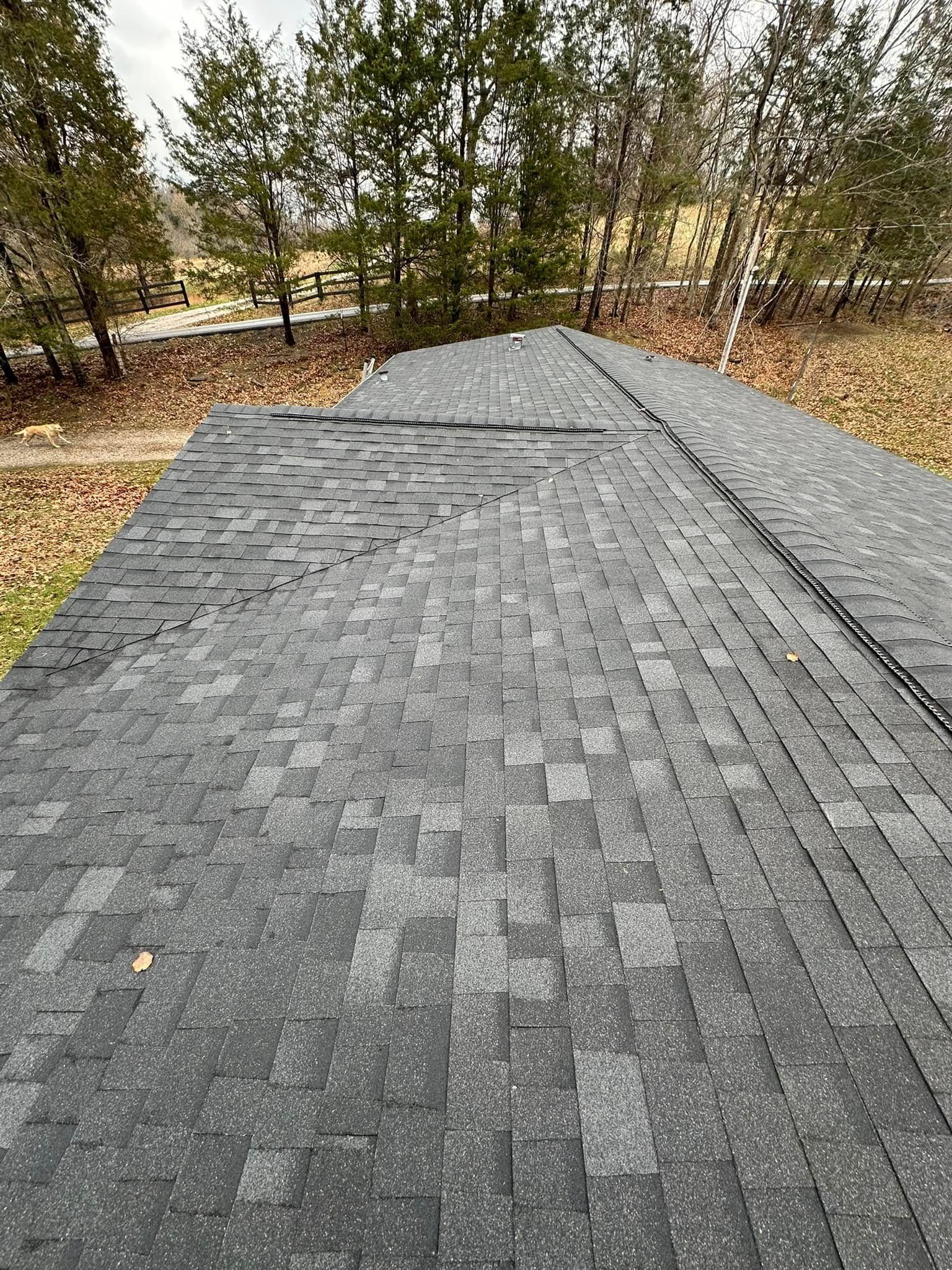
A commercial or residential roof is one of the most valuable structural components of any property, yet it is also one of the most commonly overlooked. While owners are typically attentive to visible elements like siding, windows, and landscaping, the roof often receives little attention until a leak, storm damage, or premature wear forces an urgent response. This reactive approach not only increases long-term repair costs but also compromises building safety and operational efficiency. Preventative roof maintenance offers a smarter, more cost-effective path. It extends roof lifespan, minimizes emergency repairs, enhances energy efficiency, and protects the structural integrity of the entire building.
In today’s construction and property management landscape, preventative care has become a key strategy for asset protection. Facility managers, homeowners, and commercial property owners now recognize that proactive maintenance is far more economical than dealing with major repairs or early roof replacement. Roof systems are exposed to weather extremes, UV radiation, debris, and natural aging processes; therefore, consistent attention is essential. By understanding proper maintenance practices—and implementing them on a schedule—property owners can avoid unnecessary risks and keep roofing systems performing at their highest level. This guide provides a comprehensive breakdown of
preventative roof maintenance and the best practices every property owner should follow.
1. Understanding Preventative Roof Maintenance
What Preventative Maintenance Really Means
Preventative roof maintenance refers to the routine inspection, cleaning, and servicing of a roofing system to address minor issues before they escalate. This approach focuses on proactive care rather than reactive fixes. Instead of waiting for leaks, membrane failures, or structural problems, preventative practices allow owners to catch early warning signs—cracks, loose flashing, ponding water, or deteriorating shingles—when repairs are still simple and inexpensive.
Why Roofing Systems Need Consistent Care
Every roof is exposed to continuous stress. Sun exposure leads to thermal expansion and contraction, heavy rainfall can cause water infiltration, and strong winds loosen shingles or seams. Even roofs made from durable materials such as metal, TPO, EPDM, or asphalt shingles degrade over time. Preventative maintenance helps slow this aging process by reinforcing weak areas, removing harmful debris, and ensuring the roof responds properly to changing weather conditions.
The Long-Term Benefits
Preventative maintenance delivers measurable benefits, including increased roof lifespan, reduced repair expenses, improved energy efficiency, stabilized indoor comfort levels, and enhanced property value. Many manufacturers also require maintenance documentation to keep warranties valid, making proactive care not only smart but essential for protecting investments.
2. Key Elements of an Effective Roof Maintenance Plan
Scheduled Inspections
A strong maintenance plan begins with routine inspections. Most roofing professionals recommend conducting inspections twice per year—once in the spring and once in the fall. This timing helps identify issues caused by winter storms or summer heat. Additional inspections should follow severe weather events such as hailstorms, high winds, or heavy rainfall.
During inspections, key components like flashing, gutters, sealants, skylights, and ventilation systems must be reviewed. Early detection of loose shingles, punctures, abrasions, or deteriorating materials prevents small problems from turning into costly replacements.
Cleaning and Debris Removal
Debris accumulation is a leading cause of roof drainage issues. Leaves, branches, dirt, and moss can trap moisture and block water flow, resulting in ponding water and premature deterioration. Regular cleaning ensures water moves freely into the drainage system. For flat roof systems, this step is even more crucial, as standing water accelerates membrane breakdown and strains structural components.
Addressing Sealants and Flashing
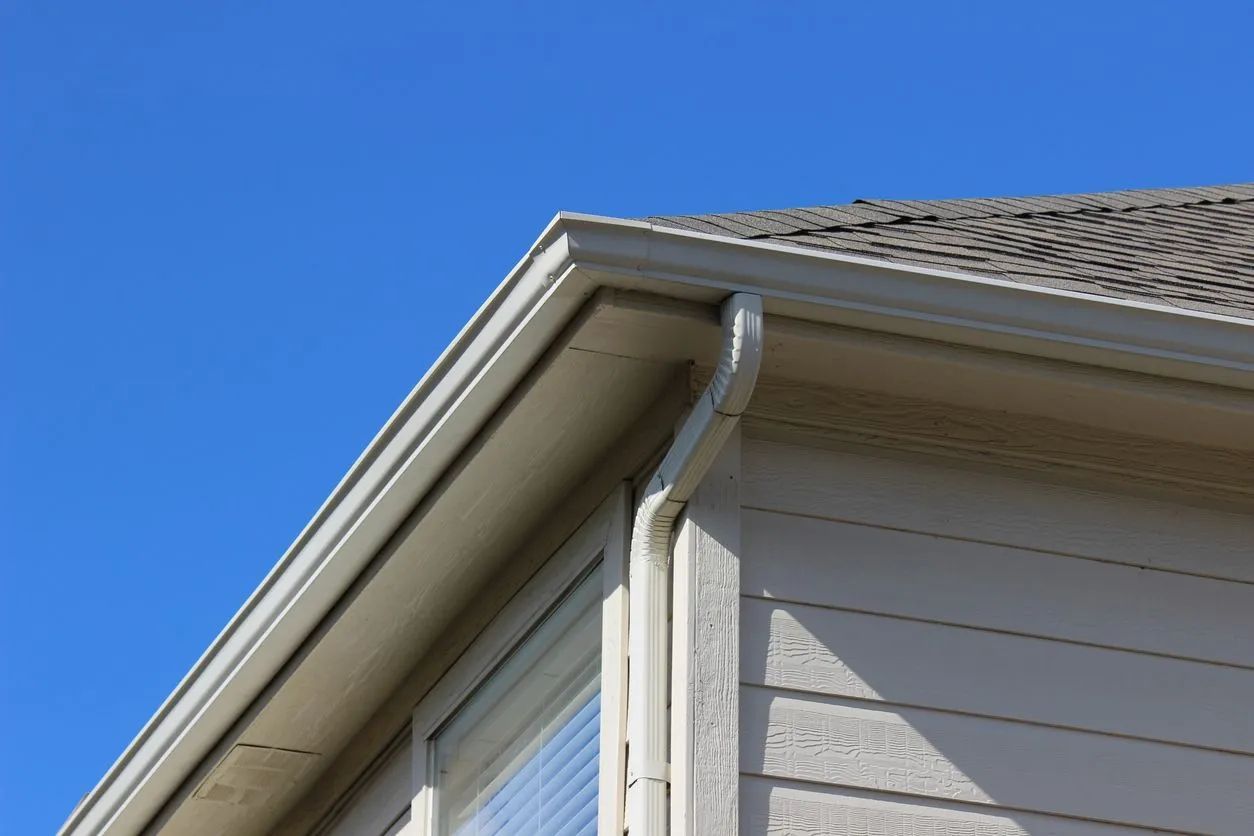
Sealants and flashing are vulnerable areas where leaks often begin. Flashing protects roof penetrations, edges, chimneys, and valleys. If it becomes damaged or displaced, water can penetrate quickly. Sealants also degrade over time due to heat and UV exposure. Reapplying and repairing these materials as needed strengthens waterproofing and prolongs system performance.
Documenting All Work
Accurate documentation helps property owners track roof condition over time. Photos, reports, invoices, and inspection notes create a complete record that supports warranty claims, informs future maintenance decisions, and provides clear proof of upkeep for insurance or property sales.
3. Common Roofing Issues Identified Through Preventative Maintenance
Water Intrusion and Leak Formation
Leaks rarely appear without warning. They often begin as small breaches in the membrane, tiny punctures, or gaps in flashing. Preventative maintenance identifies these issues early through moisture scanning, surface inspection, and evaluating drainage patterns. Addressing leaks at the earliest stages prevents interior damage, mold growth, and structural rot.
Ponding and Drainage Problems
On flat or low-slope roofs, poor drainage is a common issue. Standing water adds weight and accelerates material degradation. When drains become clogged with debris, water remains on the surface longer than intended. Preventative measures like drain cleaning, slope correction, and adding auxiliary drains help mitigate the risk.
Shingle and Material Deterioration
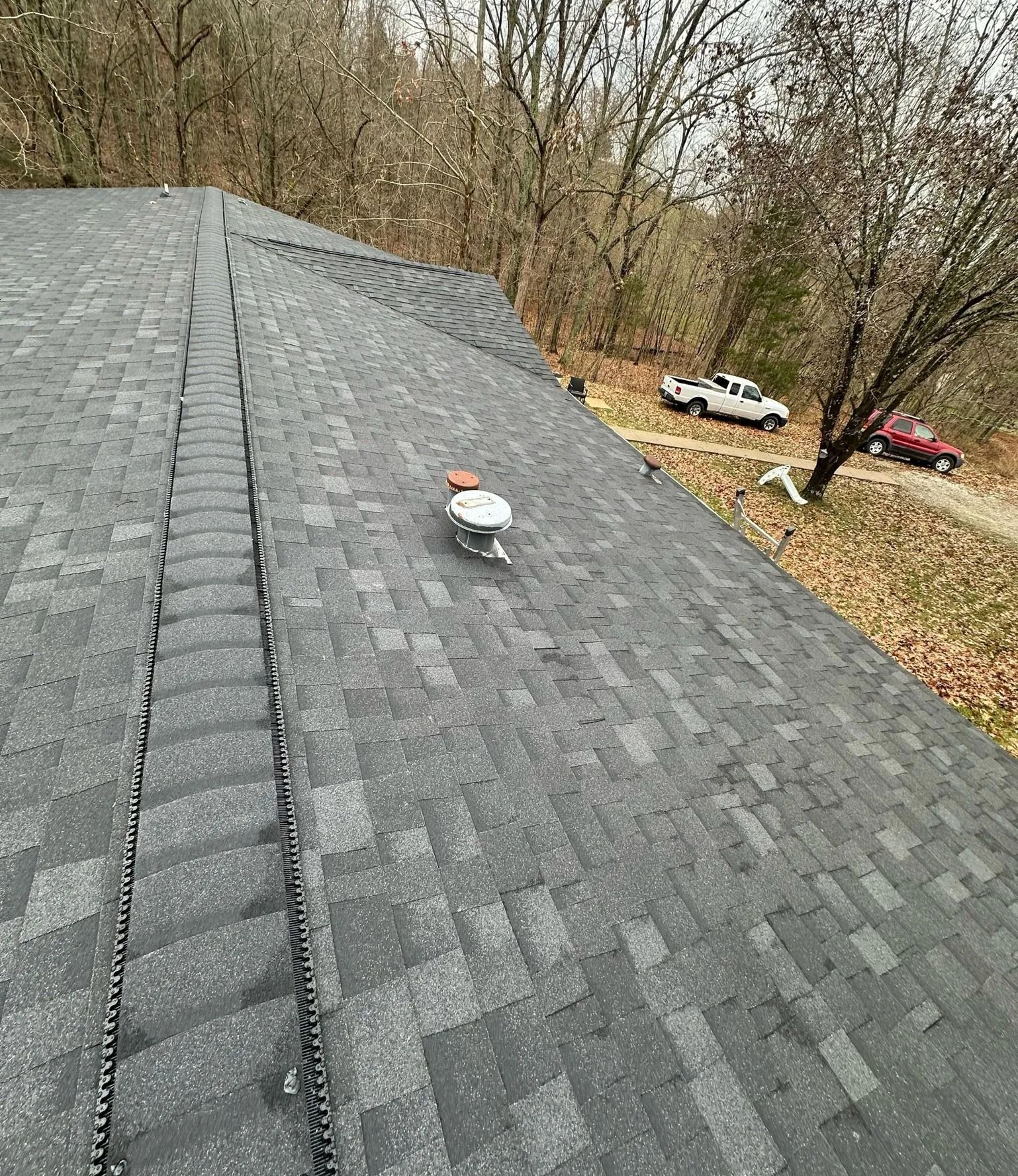
Shingles can curl, crack, or blister, especially under harsh weather conditions. Metal panels may show signs of corrosion, while membrane systems might develop wrinkles, splitting, or seam separation. Early detection during routine inspections allows quick repairs that prevent full-system compromise.
Vegetation Growth and Organic Damage
Moss, algae, and mold often grow in shaded or moist areas of the roof. These organisms trap moisture and gradually weaken roofing materials. Regular cleaning and treatment prevent growth and maintain the roof’s structural health.
Thermal Movement and Structural Shifts
Temperature changes cause roofing materials to expand and contract. This can lead to separation at seams, loosening fasteners, or stress on rigid components. Preventative maintenance ensures all connections remain secure and compensation systems like expansion joints function properly.
4. Seasonal Preventative Maintenance Strategies
Spring Maintenance
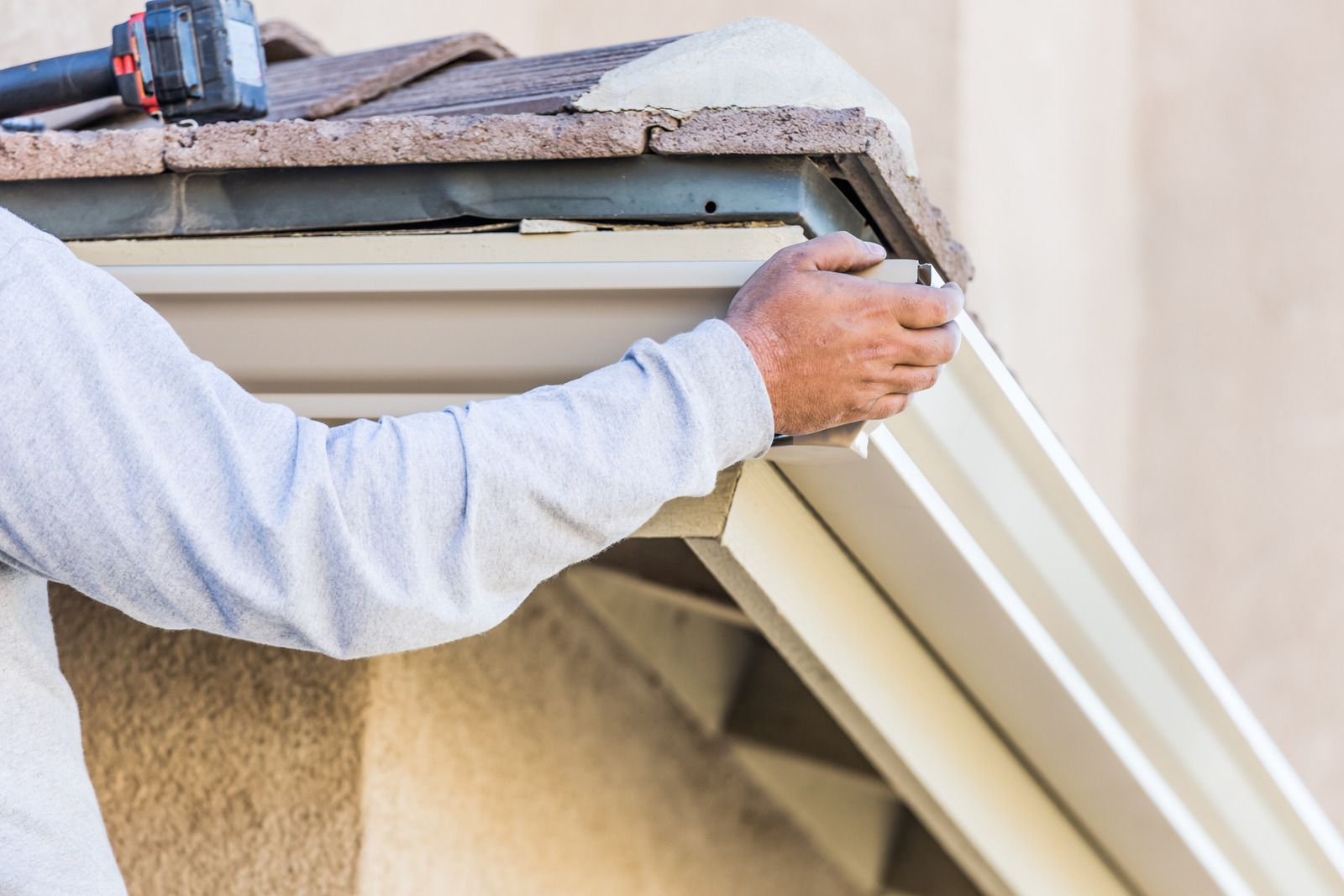
Spring is the ideal time to inspect winter-related damage. Snow, ice, and freezing temperatures often create cracks or weaken seals. A spring inspection includes checking for moisture intrusion, clearing gutters, repairing flashing, and verifying that the roof membrane remains intact after harsh cold-weather stress.
Summer Maintenance
Summer heat intensifies UV exposure, causing roofing materials to dry out, blister, or warp. Preventative steps include inspecting for heat damage, checking ventilation efficiency, and ensuring reflective coatings remain effective. Proper ventilation is especially crucial; poor airflow increases attic temperatures and accelerates material breakdown.
Fall Maintenance
Fall preparation is essential for protecting the roof from winter conditions. Clearing leaves and debris, tightening fasteners, inspecting insulation, and verifying weatherproofing help minimize risks during upcoming temperature drops and storms. This season is also ideal for applying protective coatings, as weather conditions are typically mild.
Winter Maintenance
While winter maintenance is more about monitoring than performing major repairs, it remains critical. Ice dams, snow buildup, and freeze-thaw cycles pose significant threats. Regular checks ensure water is not backing up under shingles and that melting snow drains properly. Addressing ventilation and insulation issues also helps prevent ice dam formation.
5. Professional vs. DIY Roof Maintenance
When DIY is Appropriate
Some maintenance tasks can be safely completed by property owners, including gutter cleaning, minor debris removal, and basic visual inspections from ground level. Homeowners can also monitor for signs like missing shingles, interior water stains, or unusual roof noises.
Why Professional Maintenance is Often Essential
Most preventative roof maintenance should be performed by trained professionals. Roofing systems involve safety risks, technical components, and manufacturer-specific requirements. Professionals have the tools, expertise, and experience necessary to identify hidden problems, conduct repairs safely, and comply with industry standards. Professional maintenance programs also ensure accurate documentation, which is critical for warranty protection.
Cost Advantages of Professional Care
While some property owners hesitate to invest in maintenance programs, they are far less costly than emergency repairs or premature roof replacements. Studies show that professionally maintained roofs can last 30–50 percent longer than those without proper care. This longevity reduces lifecycle costs and provides predictable budgeting for long-term asset management.
6. Building a Long-Term Roof Maintenance Schedule
Developing a Systematic Plan
A successful maintenance plan includes scheduled inspections, seasonal tasks, cleaning routines, and repair timelines. The schedule must align with the roof type, material, climate, and building usage. For example, commercial properties with high foot traffic on the roof require more frequent inspections than low-traffic residential buildings.
Incorporating Modern Technologies
Today’s roofing industry uses advanced tools such as infrared scanning, drone inspections, moisture detection equipment, and digital reporting platforms. These technologies improve accuracy and efficiency, providing a clearer assessment of hidden issues and water infiltration risks.
Budgeting for Maintenance
A predictable maintenance budget helps avoid financial strain caused by emergency repairs. Allocating annual funds for inspections, cleaning, and minor repairs is far more cost-effective than dealing with unexpected structural problems. Property owners can work with roofing professionals to create a customized budget based on roof size, age, and condition.
Preparing for Roof Replacement
Even with excellent preventative maintenance, every roof eventually reaches the end of its lifespan. Monitoring age, warranty limits, and structural behavior helps property owners determine when replacement is approaching. Proactive planning ensures smooth budgeting, better material selection, and minimal disruption during installation.
Preventative roof maintenance is one of the most effective ways to protect a property’s long-term structural integrity and financial value. By identifying issues early, implementing seasonal routines, and prioritizing professional inspections, property owners significantly reduce the risk of unexpected failures and costly repairs. A disciplined maintenance plan ensures the roof remains durable, efficient, and capable of withstanding weather conditions year-round. As roofing systems continue to face environmental challenges, proactive care becomes even more important for extending lifespan and maintaining performance.
Protecting Every Structure With Consistent Roof Upkeep
For property owners seeking reliable support and expert guidance, partnering with an experienced roofing professional makes all the difference. Maiden City Contracting
in Cynthiana, KY brings 20
years of hands-on roofing expertise, offering dependable service grounded in craftsmanship, integrity, and an unwavering commitment to quality. With extensive knowledge of roof systems, materials, and preventative maintenance strategies, the team delivers solutions that ensure roofs perform at their highest level year after year. Whether a client manages a residential home, commercial building, or multi-unit property, the company provides thorough inspections, tailored maintenance plans, and precise repairs designed to prevent problems before they occur. Their disciplined approach helps extend roof lifespan, protect structural investments, and improve overall property performance. With a reputation built on trust, workmanship, and long-term reliability, we stand as a knowledgeable partner dedicated to helping clients maintain safe, durable, and efficient roofing systems through every season.