
How to Choose the Best Roofing Material for Your Home

February 27, 2025

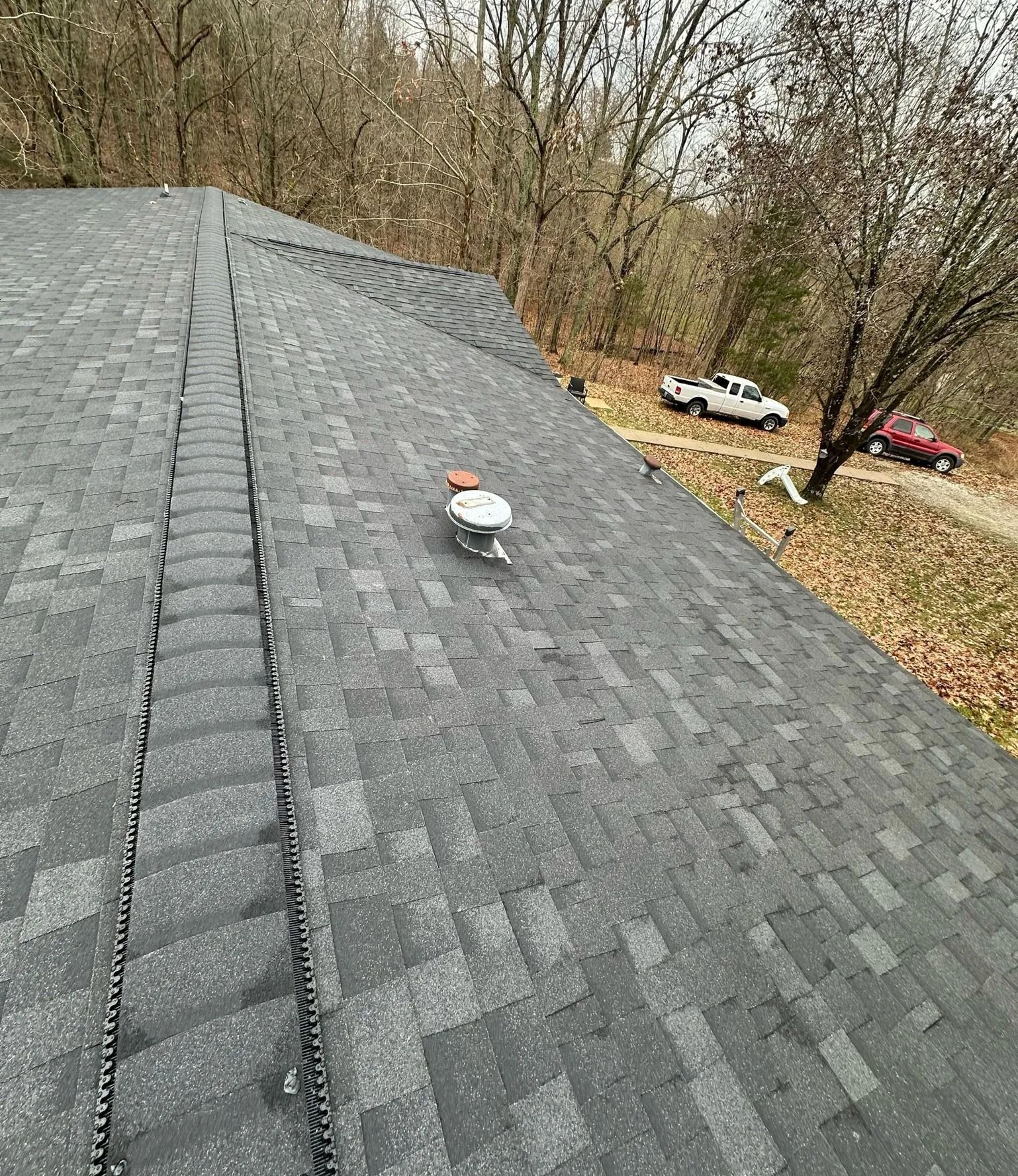
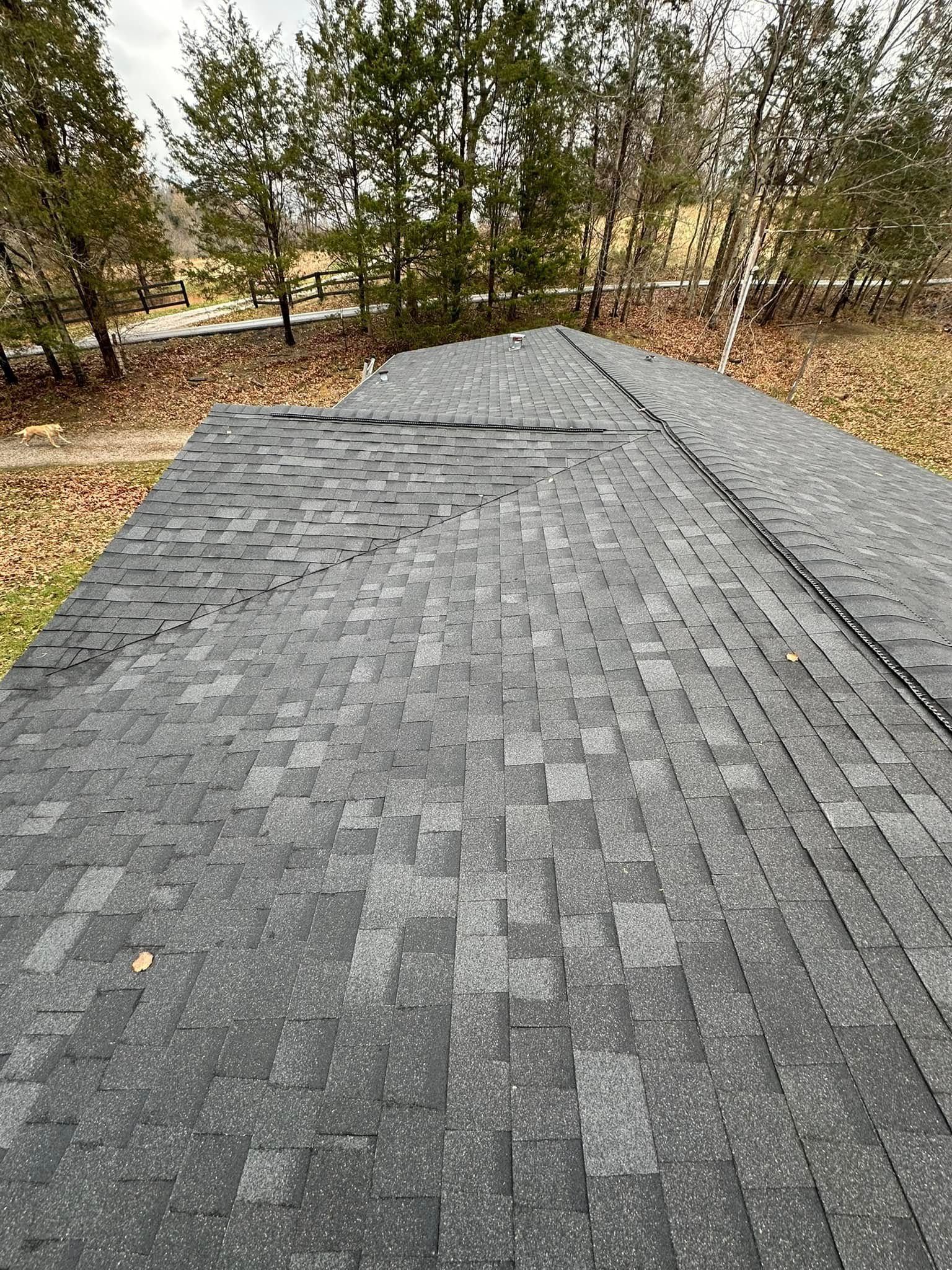
Your roof is one of the most important parts of your home, providing protection, insulation, and curb appeal. Choosing the right roofing material is a crucial decision that affects the longevity, energy efficiency, and overall value of your home. With so many options available, how do you determine the best roofing material for your needs? In this guide, we’ll explore the most popular roofing materials and key factors to consider when making your decision.

1. Consider Your Climate

Different roofing materials perform better in certain climates. Here’s what to keep in mind:

  • Hot Climates: Light-colored, reflective materials like metal or tile roofs help keep homes cooler.
  • Cold Climates: Asphalt shingles and metal roofs with proper insulation work well in areas with heavy snowfall.
  • Windy or Storm-Prone Areas: Impact-resistant shingles, metal, and slate roofs offer excellent durability.

2. Evaluate Durability and Lifespan

Different roofing materials perform better in certain climates. Here’s what to keep in mind:

  • Hot Climates: Light-colored, reflective materials like metal or tile roofs help keep homes cooler.
  • Cold Climates: Asphalt shingles and metal roofs with proper insulation work well in areas with heavy snowfall.
  • Windy or Storm-Prone Areas: Impact-resistant shingles, metal, and slate roofs offer excellent durability.

3. Assess Energy Efficiency

Energy-efficient roofing materials can help lower utility bills by improving insulation and reducing heat absorption. Metal roofs, cool asphalt shingles, and clay tiles reflect sunlight and help maintain indoor temperatures.

4. Match Your Home’s Aesthetic

Your roof significantly impacts your home’s curb appeal. Consider the architectural style of your home:

  • Traditional Homes: Asphalt shingles or wood shakes
  • Modern Homes: Metal or flat roofing materials
  • Mediterranean or Spanish-Style Homes: Clay or concrete tiles
  • Luxury Homes: Slate or high-end metal roofing

5. Factor in Cost and Budget

Your budget plays a significant role in your roofing decision. Here’s a general cost comparison:

  • Asphalt Shingles: Most affordable ($3 - $6 per square foot)
  • Metal Roofing: Moderate to high cost ($5 - $15 per square foot)
  • Clay/Concrete Tiles: Expensive ($10 - $20 per square foot)
  • Slate Roofing: Most expensive ($15 - $30 per square foot)


While upfront costs matter, consider long-term savings from durability, energy efficiency, and lower maintenance.

6. Check Maintenance Requirements

Some roofing materials require more upkeep than others:

  • Low Maintenance: Metal, slate, and composite shingles
  • Moderate Maintenance: Asphalt shingles (may need periodic replacement)
  • High Maintenance: Wood shingles and shakes (prone to rot, mold, and insect damage)

7. Consider Environmental Impact

For homeowners looking for eco-friendly roofing solutions, consider:

  • Recycled Shingles: Made from reclaimed materials
  • Metal Roofing: 100% recyclable and energy-efficient
  • Cool Roofs: Reflect sunlight, reducing heat absorption

8. Consult a Professional Roofing Contractor

Choosing the right roofing material is a significant investment. A professional roofing contractor can help assess your home’s structure, climate needs, and budget to determine the best option for you.

Final Thoughts

Selecting the best roofing material for your home involves balancing aesthetics, durability, budget, and climate suitability. Whether you opt for asphalt shingles, metal, slate, or tiles, investing in the right roof ensures long-term protection and adds value to your property.


If you’re ready to install or upgrade your roof, Maiden City Contracting can help. Contact us today for expert guidance and a free roofing consultation!

Flat gray commercial roof with various pipes and safety railings, with trees and a cloudy sky in the background.
December 17, 2025
Commercial buildings require roofing systems that are resilient, cost-effective, and capable of supporting the ongoing operational demands of businesses. Among the many roofing styles available today, flat roofs remain one of the most widely chosen solutions for offices,
Rear view of a two-story house with gray siding, windows, and a dark gray roof against a blue sky.
November 11, 2025
Old or damaged siding can do more than just drag down your home’s curb appeal—it can quietly sabotage your energy bills. Worn-out materials, cracks, and poor installation all allow air to escape and enter freely, forcing your heating and cooling systems to work harder.
Beige house corner with gray roof, gutters, and downspout against a bright blue sky.
October 3, 2025
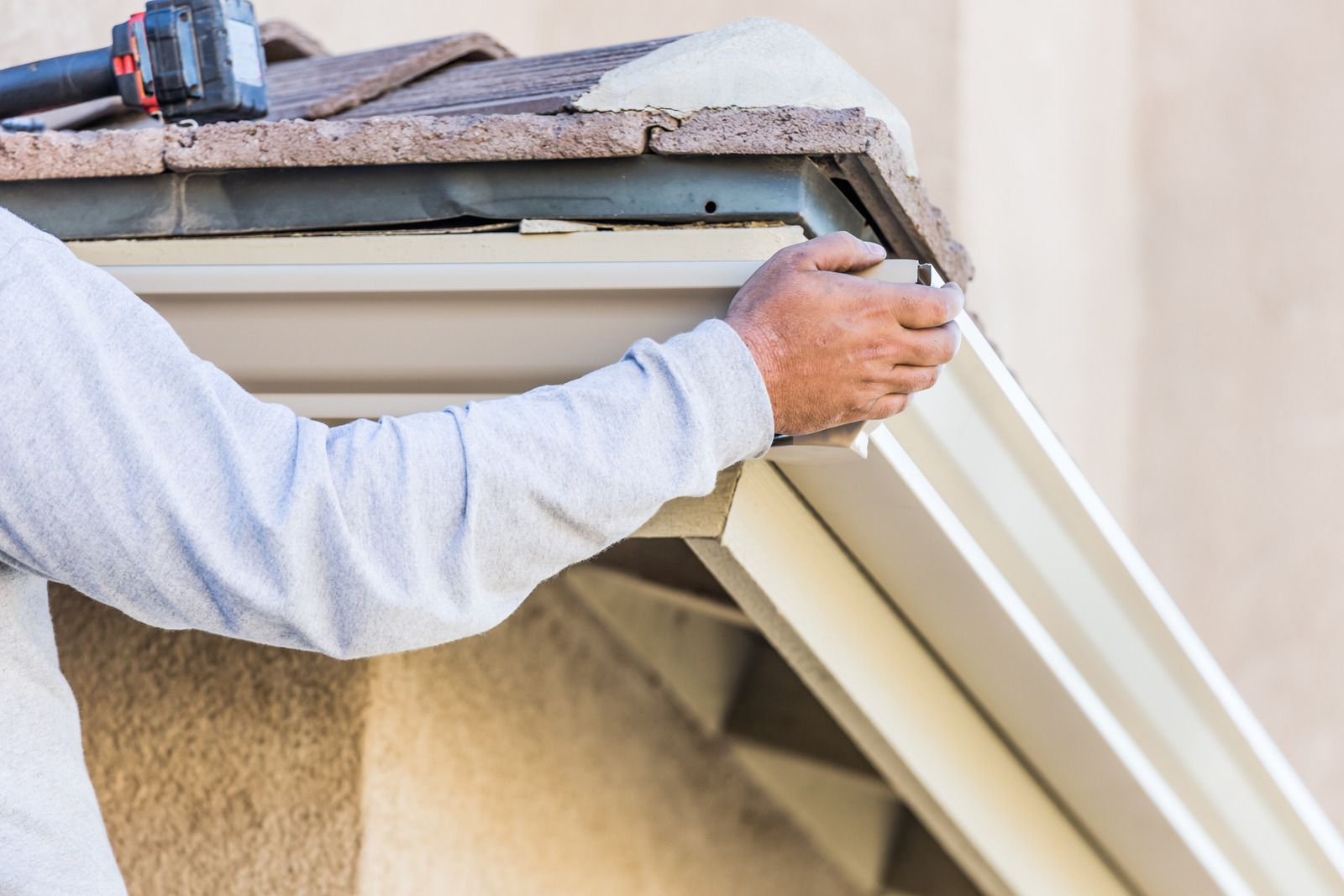
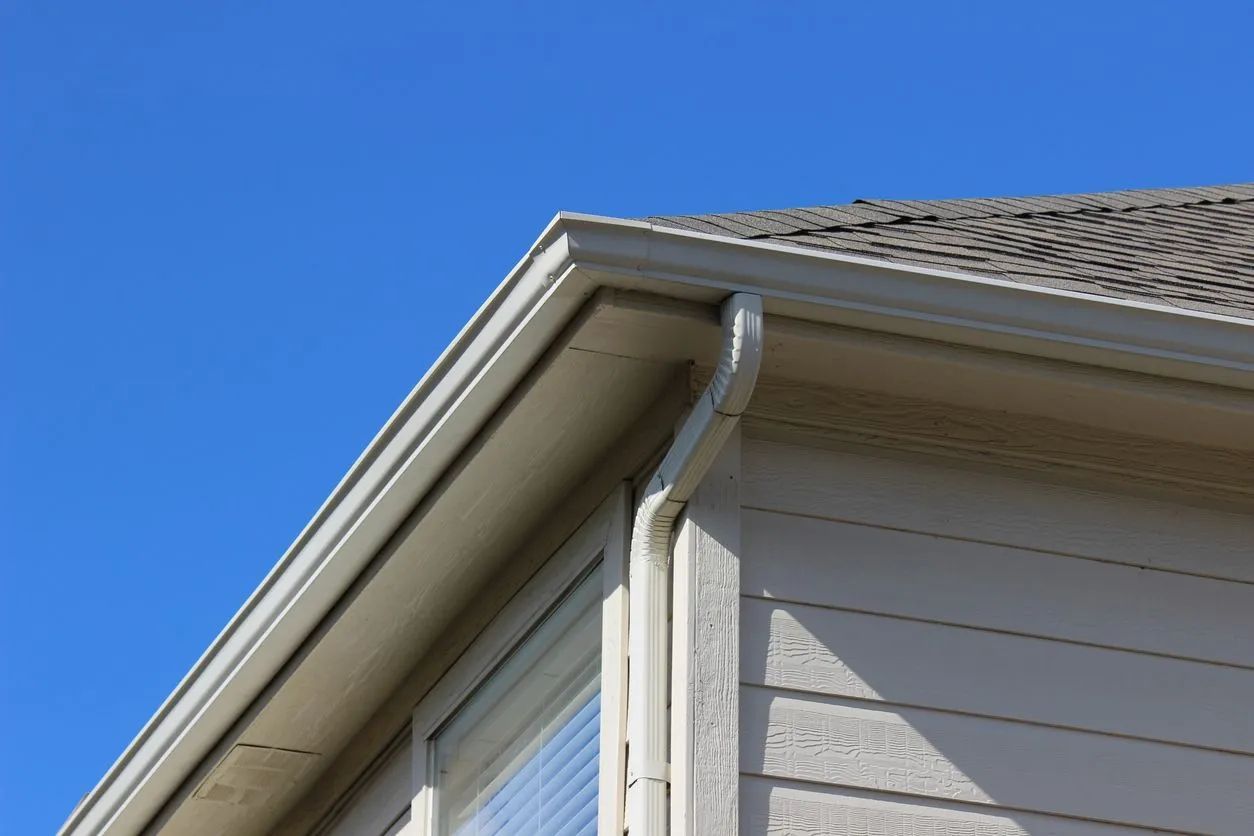
Seamless gutters are an increasingly popular upgrade for homeowners who value both function and aesthetics. Unlike traditional sectional gutters, seamless gutters are made from one continuous piece of material, customized on-site to fit your home perfectly.
Flat gray commercial roof with various pipes and safety railings, with trees and a cloudy sky in the background.
December 17, 2025
Commercial buildings require roofing systems that are resilient, cost-effective, and capable of supporting the ongoing operational demands of businesses. Among the many roofing styles available today, flat roofs remain one of the most widely chosen solutions for offices,
Rear view of a two-story house with gray siding, windows, and a dark gray roof against a blue sky.
November 11, 2025
Old or damaged siding can do more than just drag down your home’s curb appeal—it can quietly sabotage your energy bills. Worn-out materials, cracks, and poor installation all allow air to escape and enter freely, forcing your heating and cooling systems to work harder.
Beige house corner with gray roof, gutters, and downspout against a bright blue sky.
October 3, 2025
Seamless gutters are an increasingly popular upgrade for homeowners who value both function and aesthetics. Unlike traditional sectional gutters, seamless gutters are made from one continuous piece of material, customized on-site to fit your home perfectly.